The kitchen is one of the most used and most negotiated spaces in a shared home. It is where routines overlap. One person cooks while the other cleans. One partner wakes early and moves quietly; the other prepares dinner late at night. Groceries get unpacked, leftovers are stored, dishes stack, and appliances multiply.
When a kitchen is slightly disorganized, it does not always look dramatic, but it feels inefficient. Drawers stick. Items are hard to find. Groceries get duplicated because no one remembers what is already in the fridge. Small irritations build quietly. Most kitchen frustration is not about effort. It is about unclear systems.
The six fixes below are designed specifically for shared living. They focus on visibility, zones, and reducing the need for repeated conversation about simple tasks.
None require renovation. Most can be implemented in an afternoon. The outcome is measurable: fewer repeated questions, less duplication, smoother meal prep, and reduced cleanup tension.
1. Create Clear “Zones” Instead of Random Storage
Many kitchens are organized by where space happens to be available rather than by how the space is used. In a shared kitchen, this leads to repeated searching and subtle frustration.
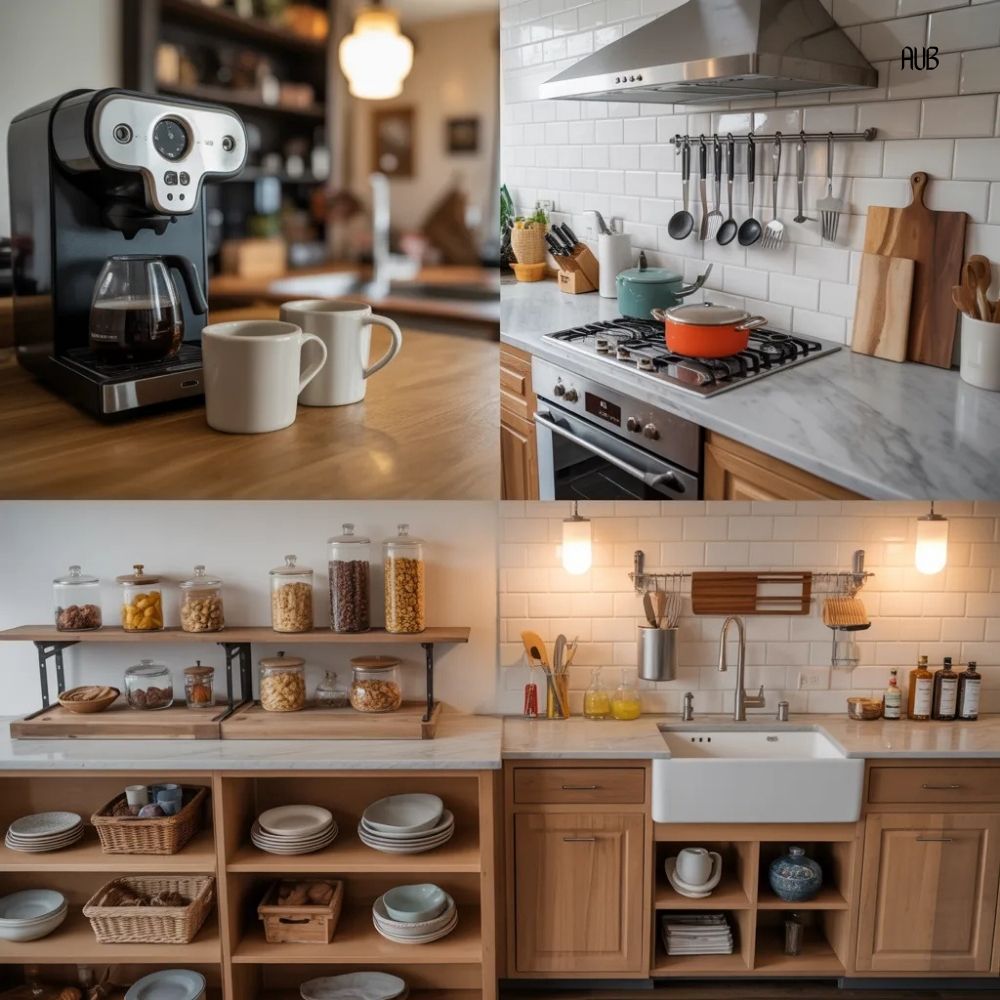
Instead of storing items wherever they fit, create functional zones. For example, designate:
- A coffee or breakfast zone
- A cooking zone near the stove
- A prep zone with knives and cutting boards
- A snack zone accessible to both partners
- A cleaning zone under the sink
Keep tools within arm’s reach of where they are used. If one partner prepares coffee every morning, everything required should be in one defined area rather than scattered across multiple cabinets.
Zoning reduces the need to ask, “Where is that?” It also prevents one partner from reorganizing in a way that disrupts the other’s routine. When zones are clearly defined, both people move through the space more efficiently.
2. Introduce the Two-Shelf Fridge Rule
The refrigerator is often the most contested space in a shared kitchen. Items get pushed to the back. Expiration dates go unnoticed. Groceries are purchased twice because no one sees what is already available. Designate:
- One top shelf for ready-to-eat or leftovers
- One middle shelf for meal-prep ingredients
- One lower shelf for shared staples
Leftovers always go in the same visible location. If something is not on the leftover shelf, it is not considered available. This simple rule prevents food waste and reduces confusion about what needs to be eaten first.
You can also use a small dry-erase label on the inside of the fridge to list leftovers and dates. It takes less than a minute to update but prevents guesswork.
Couples who adopt this system often notice fewer wasted groceries and less tension about “mystery containers.”
3. Standardize Grocery Storage With Clear Containers
When pantry items are stored in original packaging, visual clutter increases and inventory becomes harder to track.
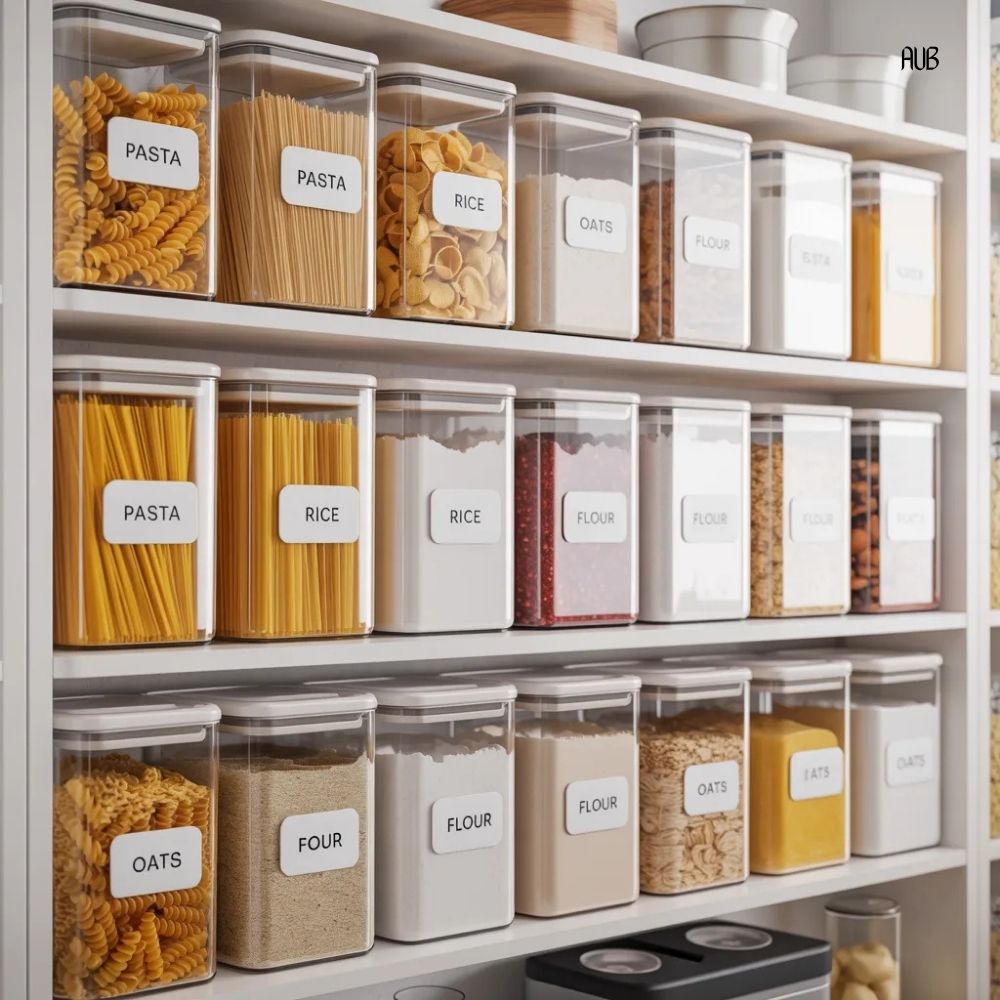
Choose a few consistent storage containers for high-use items such as rice, pasta, flour, cereal, or snacks. Label them clearly. Standardized containers create uniformity. Uniformity improves visibility.
When both partners know that grains are in one row of matching containers and snacks are grouped together, there is less searching and less overbuying.
The goal is not aesthetic perfection. It is functional clarity. If you want to keep it simple, start with three categories: grains, snacks, and baking items. Expand gradually if helpful.
4. Establish a Shared “Quick Meal” Basket
One of the most common kitchen stress points in shared households is the question, “What can we eat quickly?” When there is no designated place for easy meal components, partners either default to takeout or repeatedly ask what is available.
Create one basket or drawer labeled “Quick Meals.” Stock it with:
- Pasta or rice packets
- Canned beans
- Tuna
- Pre-made sauces
- Tortillas
- Shelf-stable soup
The rule is simple: anything in this basket can be combined into a meal in under twenty minutes. This reduces last-minute negotiation and decision fatigue. When both partners know that quick options are grouped together, dinner becomes easier on busy nights.
5. Separate Daily Tools From Occasional Tools
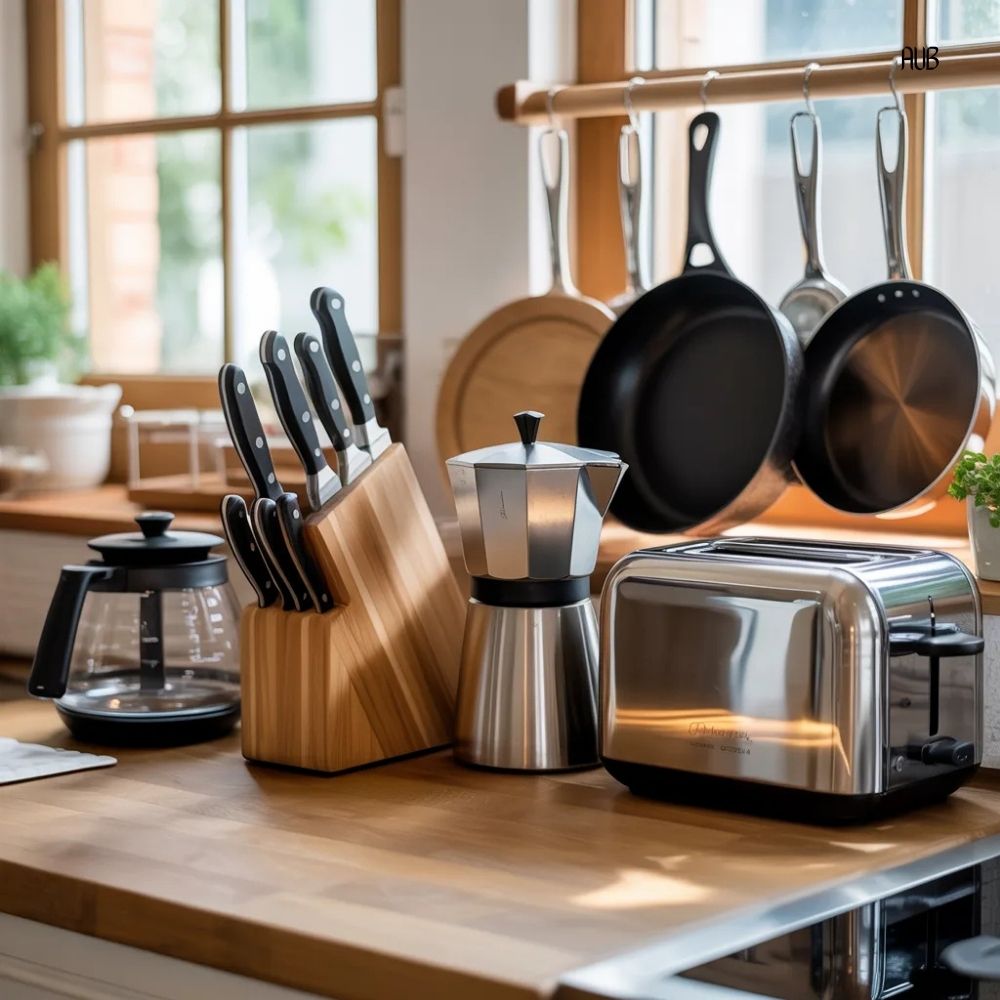
In many kitchens, rarely used appliances take up prime counter or cabinet space. This creates clutter and reduces efficiency for daily cooking. Identify tools used weekly and tools used monthly. Daily tools might include:
- Cutting boards
- Knives
- Coffee maker
- Toaster
- Frequently used pans
Occasional tools might include:
- Specialty baking pans
- Slow cookers
- Holiday serveware
- Rarely used gadgets
Move occasional tools to higher shelves, secondary cabinets, or storage bins. Keep daily tools within immediate reach.
This adjustment reduces visual noise and makes shared meal prep smoother because essential items are not buried behind rarely used equipment.
Couples often underestimate how much mental friction is caused by having to move three objects to access one.
6. Create a 10-Minute Nightly Reset System
Organization fails when maintenance is unclear. Instead of allowing cleanup expectations to remain vague, introduce a simple nightly reset rule.
Choose one consistent time, often after dinner, when both partners spend ten minutes restoring the kitchen to baseline order. The reset may include:
- Loading the dishwasher
- Wiping counters
- Returning items to their designated zones
- Checking the leftover shelf
- Setting up coffee for the morning
Keep it brief and predictable. The purpose is not perfection. It is restoring function before the next day begins.
When the kitchen starts each morning organized, stress decreases immediately. Shared effort also prevents one partner from feeling solely responsible for maintaining the space.
Implementing Without Overwhelm
You do not need to implement all six fixes at once. Start with one area that causes the most friction.
If dinner decisions create stress, begin with the quick-meal basket. If food waste frustrates you, start with the two-shelf fridge rule. If clutter feels overwhelming, prioritize tool separation and nightly resets.
Implement one fix fully before adding another. Sustainable organization builds gradually.
The Long-Term Benefit
A well-organized kitchen does more than look tidy. It reduces micro-conflict. When shared spaces function smoothly, patience increases. Cooking becomes collaborative rather than chaotic. Even simple routines feel easier.
Over time, small efficiency improvements compound. Fewer repeated questions. Fewer misplaced items. Less duplication. Faster cleanup. The kitchen becomes a shared workspace rather than a shared frustration point.
And in busy households, reducing daily friction in high-use areas creates more room for connection in the moments that matter.