Hotel rooms feel different for a reason. They are not necessarily larger or more expensive than our homes, yet they feel intentional. The lighting is softer. The bedding is layered. Surfaces are clear. The air feels calm. There is a sense that the space has been prepared with care.
At home, bedrooms often become functional storage areas. Laundry piles gather. Chargers snake across nightstands. Lighting is harsh or mismatched. The room works, but it does not invite you to pause.
You do not need to remodel your space to recreate that hotel feeling. In most cases, small adjustments to texture, lighting, layout, and detail create a noticeable shift.
The five upgrades below are simple to implement, realistic for busy couples, and designed to improve comfort immediately. Each one can be completed without major expense or construction. Together, they transform your bedroom from purely practical to quietly elevated.
1. Layer the Bed for Depth and Structure
The bed is the visual and emotional center of the room. In hotels, it is treated as a focal point rather than an afterthought. The layering creates depth, symmetry, and softness.
Start with crisp sheets that fit properly. Sheets that are too small or worn thin affect both comfort and appearance. Neutral tones tend to feel calmer, but texture matters more than color.
Add a duvet or comforter that fully covers the mattress without looking stretched. If your current comforter barely reaches the sides, consider sizing up. Hotels often use oversized bedding to create that draped, generous look.
Layer two to four pillows for sleeping and then add two decorative pillows or shams behind them for structure. You do not need excessive cushions. The goal is balanced fullness.
Finish with a folded throw blanket placed horizontally at the foot of the bed. This small addition signals intention and adds texture.
The entire process can be done in under fifteen minutes if you already have the pieces. The measurable difference appears immediately in how the room feels when you walk in.

2. Upgrade the Lighting From Overhead to Layered
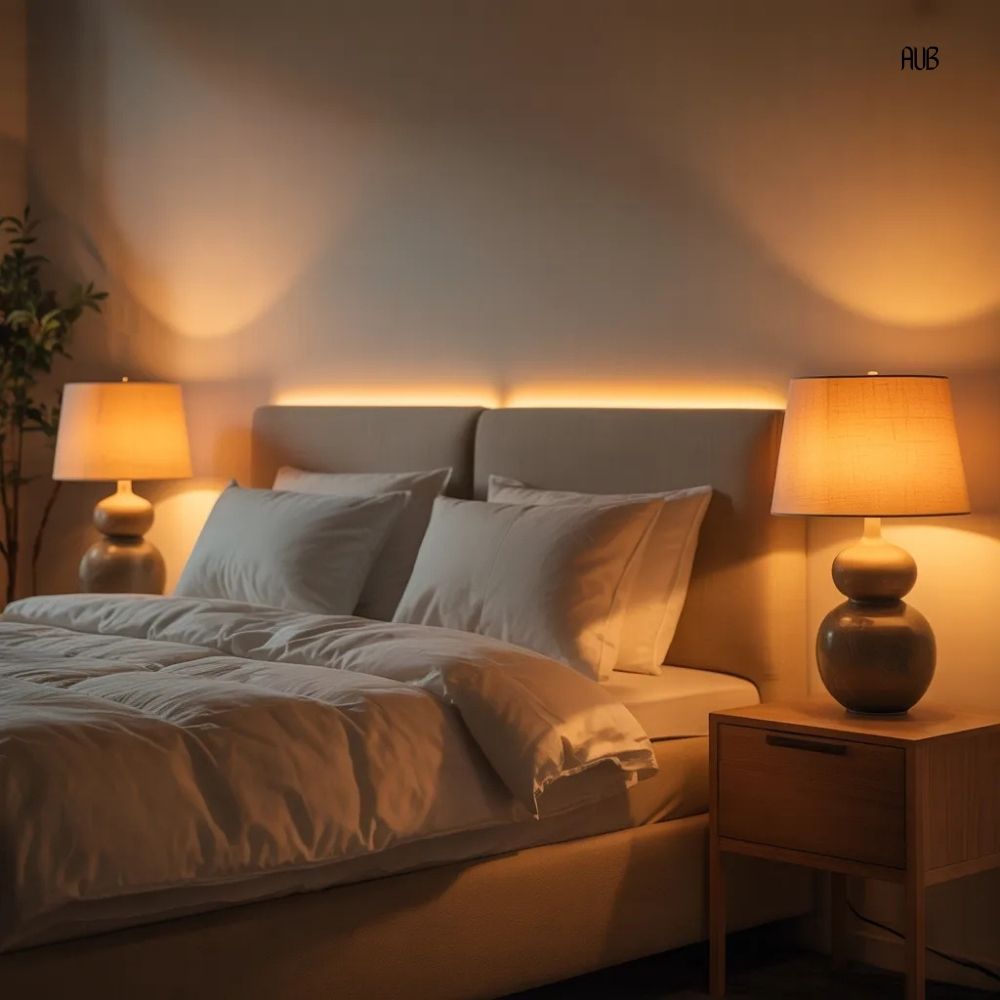
One of the biggest differences between a home bedroom and a hotel room is lighting strategy. Hotels rarely rely solely on a bright overhead fixture. They use layered light sources that create warmth and dimension.
Begin by reducing reliance on harsh ceiling lights. Instead, incorporate bedside lamps with warm bulbs, ideally between 2700K and 3000K for a softer tone. Warm light reduces visual tension and encourages relaxation.
If possible, match lamp height and style on both sides of the bed to create visual symmetry. This does not require expensive matching sets. Even similar tones and shapes create balance.
Add one additional low light source if space allows, such as a small floor lamp or subtle LED strip behind a headboard. This secondary lighting option allows you to adjust brightness based on mood.
The shift from single-source lighting to layered lighting often produces the most dramatic transformation for the least effort.
3. Clear and Simplify Nightstands
Nightstands easily become clutter zones because they are within arm’s reach. Phones, water bottles, books, receipts, and miscellaneous items accumulate quickly. In contrast, hotel nightstands feel edited and intentional.
Take ten minutes to remove everything from both nightstands. Return only what is necessary. A simple, hotel-inspired setup might include:
- A lamp
- One book or journal
- A small tray to contain small items
- A glass or carafe for water
Use a small tray to hold chargers, watches, or glasses so they do not spread visually across the surface. This keeps functionality without sacrificing cleanliness.
If possible, route charging cables behind the nightstand or use a cord organizer to reduce visible clutter. When surfaces are clear, the room feels calmer. Visual simplicity often leads to mental calm at the end of the day.
4. Introduce Soft Texture Through One Intentional Swap
Hotels prioritize texture. Even simple rooms feel inviting because fabrics are chosen thoughtfully.
Look for one soft upgrade rather than many decorative additions. This might mean replacing an old throw blanket with a heavier knit or woven option. It could involve switching pillowcases to a smoother cotton or linen blend. It may simply mean adding a rug under the bed if flooring feels cold.
Texture changes how a space feels physically and visually. When your feet touch something warm rather than hard flooring first thing in the morning, the experience shifts.
Choose materials that invite touch. Cotton, linen, velvet, and textured knits all add dimension without clutter. You do not need to redesign the room. One fabric upgrade often provides enough contrast to elevate the space noticeably.
5. Create a Subtle Scent and Sound Environment
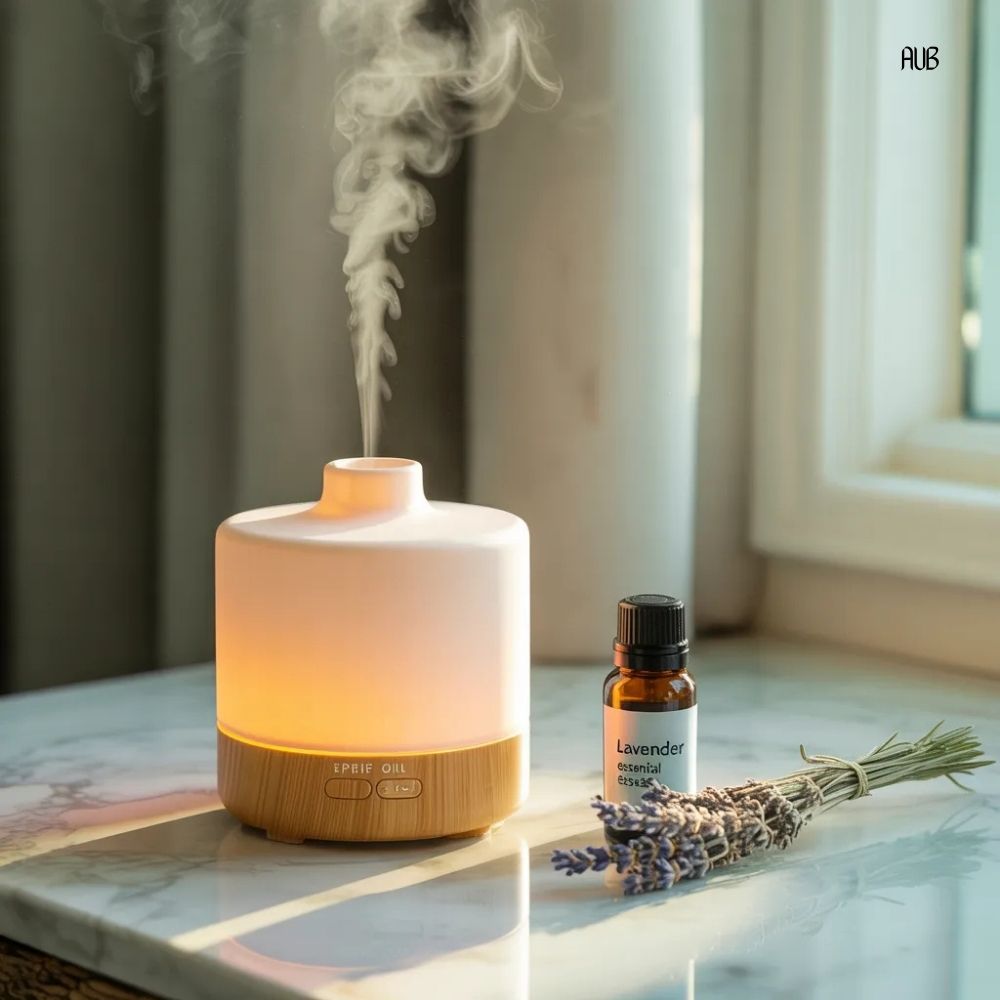
Hotels understand that comfort is sensory. Scent and sound quietly influence how a room feels. Introduce one consistent scent that feels calm and understated.
This could be a candle, a diffuser with a neutral oil such as lavender or sandalwood, or even freshly washed bedding with a subtle detergent fragrance. Avoid overpowering scents. The goal is subtle consistency.
Consider sound as well. A small white noise machine or soft instrumental playlist in the evening creates a layered atmosphere that reduces external distraction.
Even opening windows briefly to refresh air before bedtime can change how the room feels. When scent and sound are intentional rather than accidental, the space begins to feel curated rather than lived-in.
Bringing It Together Without Overcomplicating It
The goal is not to replicate a five-star suite. It is to create a bedroom that feels considered. Start with the bed because it anchors the room visually. Adjust lighting because it shapes mood immediately. Simplify surfaces to reduce mental clutter. Add one texture upgrade to soften the space. Finish with subtle sensory details.
Each step can be completed separately. You do not need to do all five at once. Within a single weekend afternoon, many couples can transform their bedroom into a calmer, more intentional space without major expense.
Why This Matters for Couples
Bedrooms often function as multi-purpose spaces for storage, scrolling, and collapsing after long days. When the room feels chaotic, connection tends to shorten. When it feels calm and inviting, conversations extend more naturally.
A hotel-like bedroom does not guarantee intimacy or perfect sleep, but it removes friction. It communicates that rest and connection are priorities.
Small environmental shifts reduce stress. Reduced stress increases patience. Increased patience improves interaction.
Maintaining the Upgrade
Once you have made these changes, maintenance becomes the next habit. Take five minutes each evening to reset the bed and clear surfaces. Replace burnt-out bulbs quickly. Wash bedding regularly so scent and texture remain fresh.
The room does not need to stay flawless. It needs to remain intentional. Over time, these small upgrades blend into daily life, and your bedroom stops feeling like an afterthought.
Instead, it becomes a place you look forward to entering at the end of the day, not simply the place where you sleep. That quiet shift, repeated nightly, is what truly makes a space feel like a hotel.