Pasta is one of the most dependable weeknight meals available. It is affordable, flexible, and widely liked. Yet because it is so familiar, it often becomes automatic. A jar of sauce is opened. Noodles are boiled.
Everything is stirred together. Dinner is technically complete, but it rarely feels memorable. The issue is not the pasta itself. The issue is the absence of design.
When meals feel thrown together, they carry that tone to the table. When meals feel composed, even if they are simple, they shift the atmosphere of the evening. The difference lies in structure.
Upgrading basic pasta does not require gourmet ingredients or complicated techniques. It requires intentional layering. When you think about pasta in terms of base, texture, contrast, and finish, you move from assembling food to designing a plate.
This article will walk through a repeatable method for transforming basic pasta into something that feels deliberate and elevated, while still being practical for weeknights.
Why Pasta Often Feels Repetitive
Most people prepare pasta in one of two ways. Either it is coated heavily in jarred sauce or tossed lightly with oil and cheese. Both approaches work, but they can lack dimension.
When texture, acidity, and contrast are missing, the meal feels flat. Over time, that flatness leads to boredom, even though pasta is capable of endless variation.
Instead of focusing on new recipes constantly, it is more effective to use a four-layer design structure that can be applied to any pasta night.
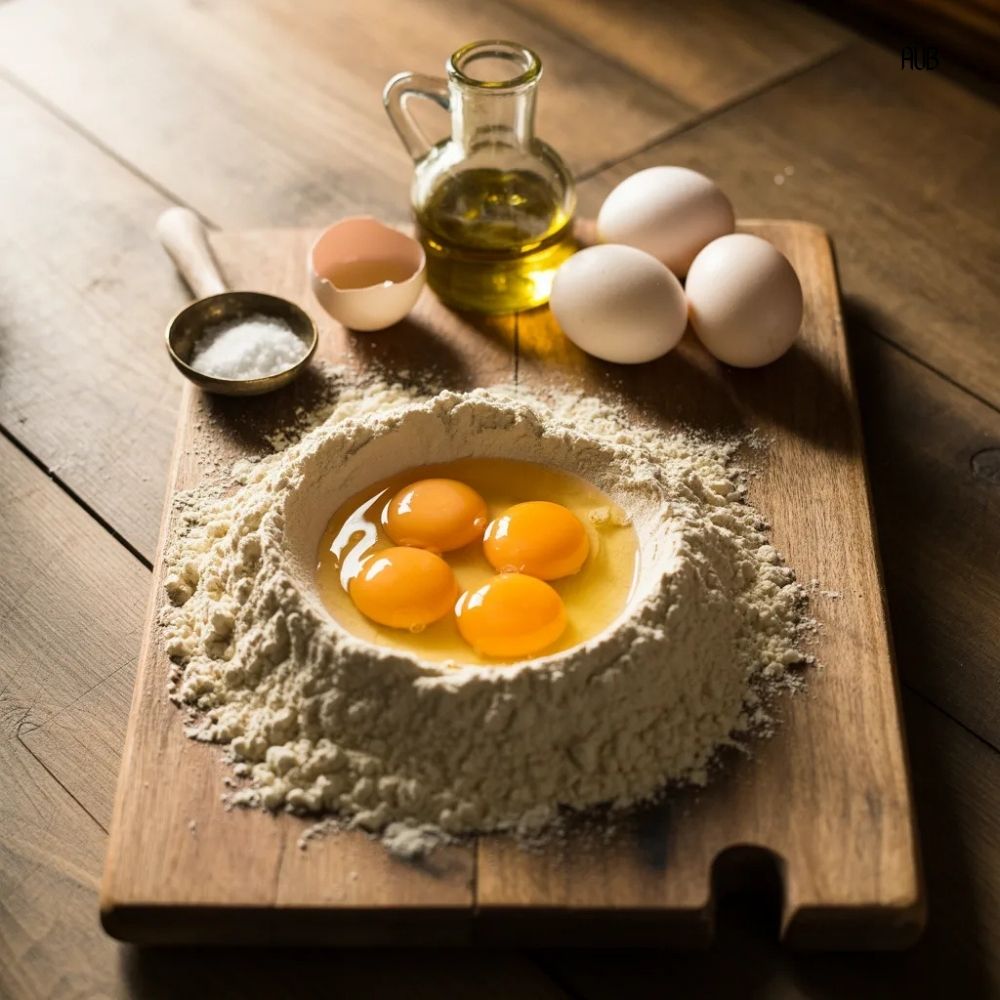
The Four-Layer Upgrade Method
To make pasta feel designed, include four intentional elements:
- A strong flavor base
- A texture contrast
- A brightness element
- A finishing detail
Each layer adds depth without increasing complexity dramatically.
Layer One: Build a Strong Flavor Base
The flavor base is more than just sauce. It is the foundation that determines how the entire dish tastes. Instead of heating sauce directly in a pot, begin with aromatics.
Sauté sliced garlic in olive oil until fragrant. Add finely diced shallots or onions and cook until softened. Introduce a pinch of red pepper flakes if you want mild heat. This step takes five minutes but transforms the flavor profile.
If using jarred tomato sauce, pour it into this aromatic oil rather than heating it separately. The sauce absorbs the infused flavors and tastes less processed.
If making an oil-based pasta, use the infused oil itself as the primary coating. The base should feel intentional before pasta even enters the pan.
Layer Two: Add Texture Contrast
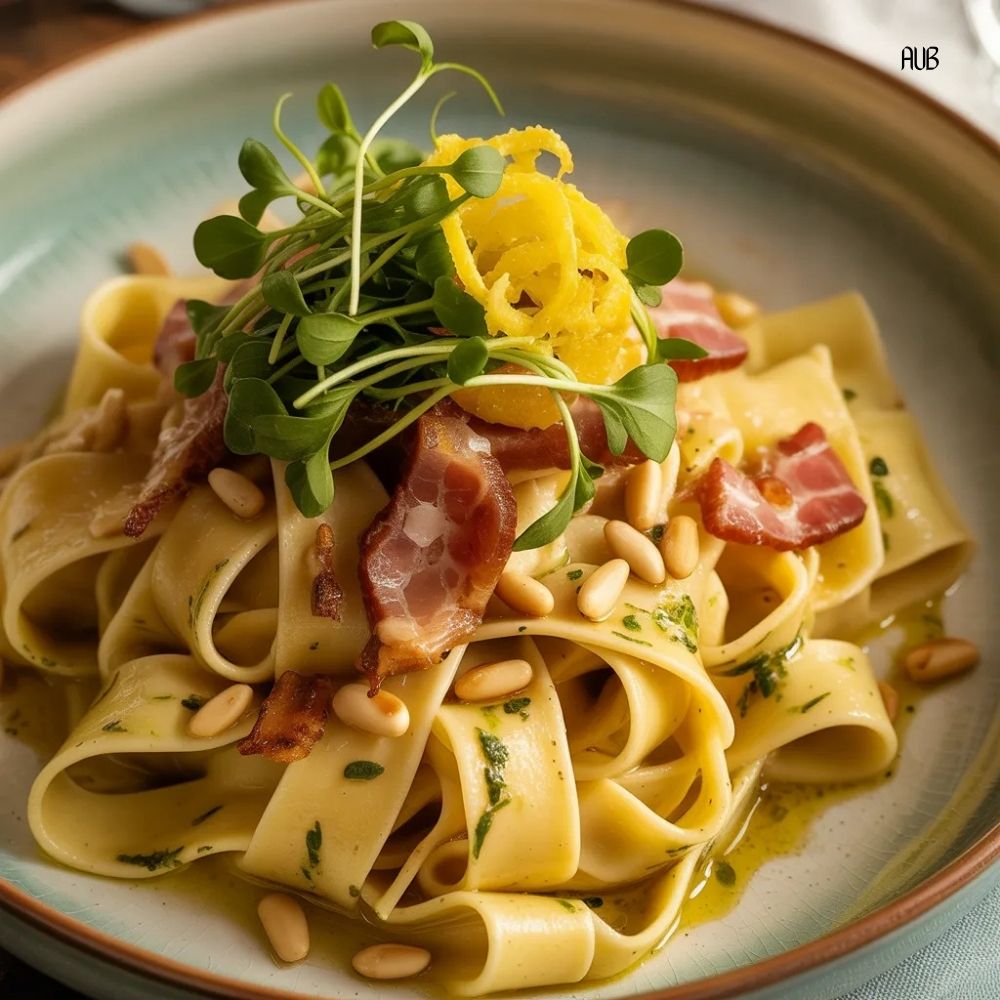
Texture is what separates average pasta from thoughtfully prepared pasta. If everything in the dish is soft, the meal feels monotonous. Introduce one contrasting texture deliberately. Options include:
- Toasted breadcrumbs
- Crushed nuts such as walnuts or pine nuts
- Crispy pancetta or bacon
- Roasted vegetables with browned edges
- Lightly sautéed mushrooms
For example, if preparing lemon garlic spaghetti, sprinkle toasted breadcrumbs on top before serving. The slight crunch changes the entire experience. Texture gives the dish dimension.
Layer Three: Introduce Brightness
Brightness prevents pasta from feeling heavy. A squeeze of lemon juice, a splash of balsamic vinegar, or a handful of fresh herbs can lift the entire plate.
Fresh parsley, basil, or arugula stirred in at the end adds color and contrast. Even a few cherry tomatoes cut in half provide freshness against a warm base.
When brightness is missing, pasta feels dense. When brightness is present, it feels balanced. This layer often requires no additional cooking time.
Layer Four: Finish With Intention
The final layer is presentation and finishing detail. Instead of mixing everything in the pot and serving family-style, plate individually when possible. Twirl noodles with tongs for height. Grate cheese directly onto each plate. Drizzle high-quality olive oil lightly across the top.
A small visual upgrade changes perception significantly. Finishing touches do not need to be expensive. They need to be deliberate.
Applying the Method to Real Examples
Here are practical illustrations of how this structure upgrades basic pasta.
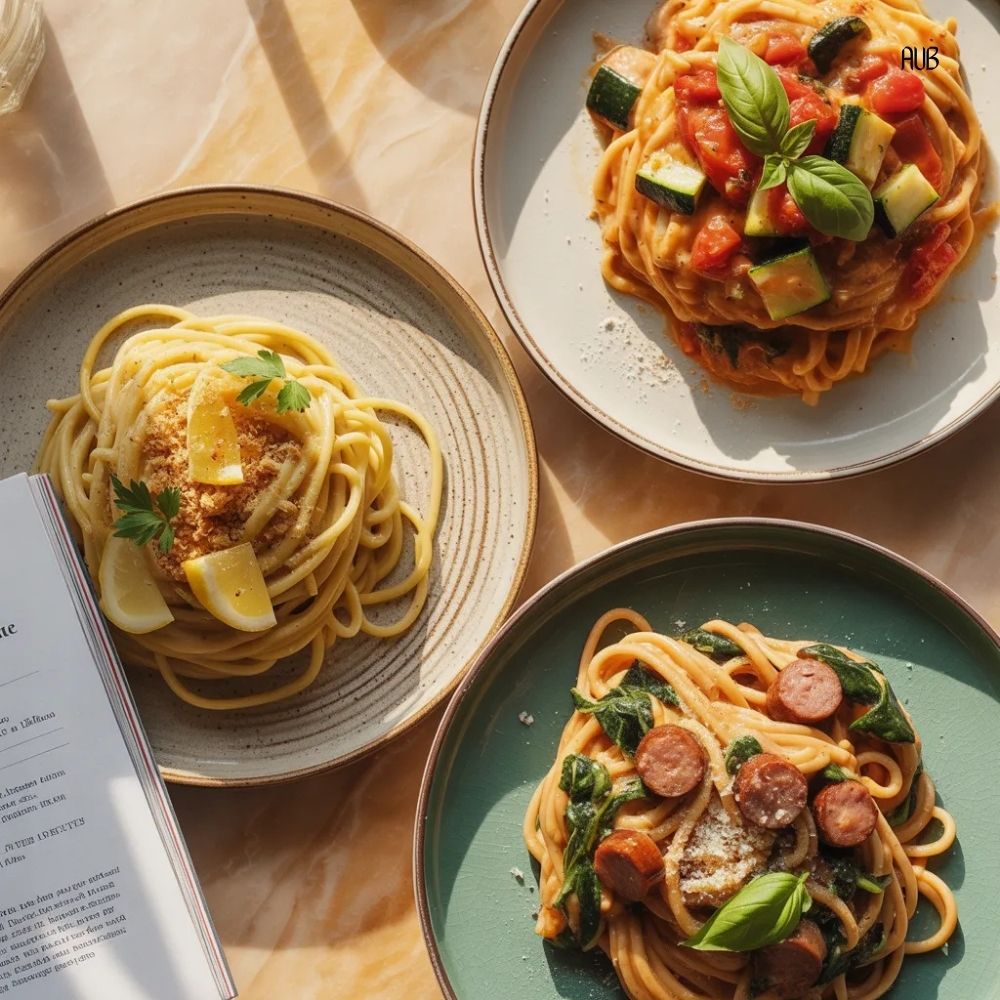
Example One: Lemon Garlic Spaghetti
Flavor base: Garlic sautéed in olive oil with red pepper flakes
Texture: Toasted breadcrumbs
Brightness: Fresh lemon zest and juice
Finish: Grated parmesan and chopped parsley
This dish uses pantry ingredients yet feels composed.
Example Two: Creamy Tomato Pasta
Flavor base: Onion and garlic sautéed before adding tomato sauce
Texture: Roasted zucchini cubes
Brightness: Fresh basil
Finish: Drizzle of olive oil and cracked black pepper
The addition of roasted zucchini introduces caramelized edges that break up the softness of the sauce.
Example Three: Sausage and Spinach Pasta
Flavor base: Italian sausage browned with garlic
Texture: Lightly crisped sausage edges
Brightness: Fresh spinach stirred in just before serving
Finish: Parmesan and a squeeze of lemon
The lemon balances the richness of the sausage without overpowering it.
How to Keep Costs Controlled
Upgrading pasta does not require specialty items. Choose one elevated element per meal rather than several. For example:
- Use fresh herbs one night
- Toast breadcrumbs another night
- Roast vegetables when they are in season
Plan ingredients to overlap across multiple meals. Fresh basil can appear in pasta one night and on flatbread the next. Lemon can brighten salads and sauces alike. Design does not mean extravagance.
Cooking Together Using the Method
If cooking as a couple, divide the layers. One partner handles the flavor base and pasta cooking. The other prepares the texture and brightness elements.
Clear division reduces congestion in the kitchen and speeds up preparation. Because the structure is predictable, both partners know what to expect. Shared execution reinforces rhythm.
Why This Approach Changes the Feel of Weeknights
Meals influence atmosphere more than we often acknowledge. When pasta feels like a quick afterthought, the evening carries that tone. When pasta feels composed, the table becomes a more intentional space.
The upgrade method shifts cooking from reactive to deliberate. You stop asking, “What can we throw together?” and start thinking, “How can we layer this simply?” That shift reduces boredom and increases satisfaction without increasing stress.
Long-Term Impact
Once you internalize the four-layer method, it becomes automatic. You begin scanning your pantry and refrigerator differently. Instead of searching for recipes, you search for components.
Protein can be added easily if desired, but even vegetarian versions feel complete when texture and brightness are present. Pasta remains affordable and practical, yet no longer feels repetitive.
Upgrading basic pasta is not about turning dinner into a restaurant experience. It is about adding enough structure and contrast that even simple ingredients feel intentional. And intention, even in small ways, changes how evenings feel.