Every couple develops meals that quietly become part of their identity. There is the pasta you made during your first apartment phase. The soup that carried you through a busy winter. The weekend breakfast that slowly turned into a ritual. Over time, these meals accumulate, but they often live in scattered notes, saved phone screenshots, or memory alone.
A DIY couples recipe binder transforms those scattered meals into something tangible and lasting. It is not just a collection of instructions. It becomes a record of seasons, growth, and shared effort. The key is structure.
When built intentionally, a recipe binder does more than organize cooking. It preserves stories, reduces weeknight decision fatigue, and creates something that can evolve into a family tradition rather than a forgotten project.
This guide walks through how to design a recipe binder that is practical, sustainable, and meaningful without becoming overly sentimental or complicated.
Why a Physical Recipe Binder Still Matters
Digital recipes are convenient. They are searchable and easy to store. However, digital collections lack presence. They remain abstract. A physical binder changes interaction.
When you flip through printed pages, you encounter meals differently. You see handwritten notes. You remember adjustments. You add dates and variations. The binder becomes a working document rather than a saved link.
Most importantly, it anchors meals to memory. Over time, it documents the evolution of your shared life.
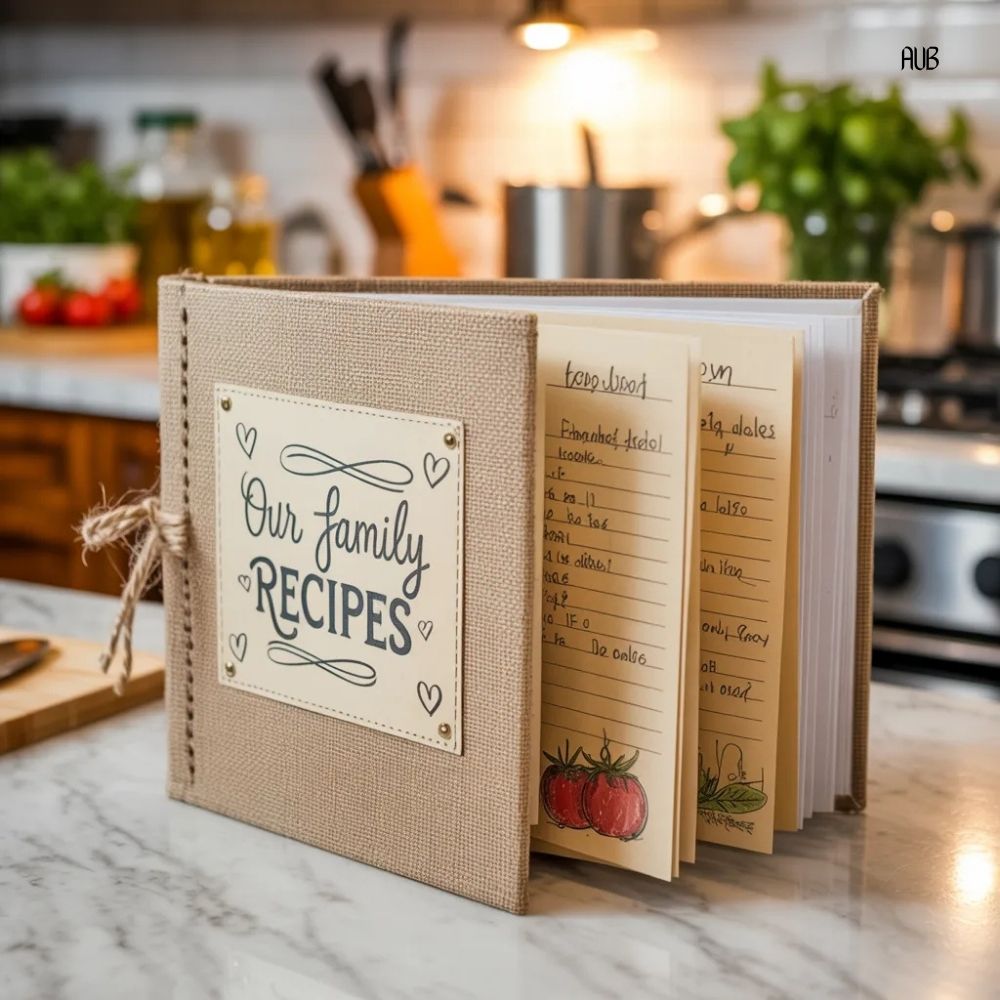
Step 1: Define the Purpose Before You Begin
Before printing recipes or buying supplies, decide what role this binder will serve. Is it primarily for:
- Weekly dinner planning
- Preserving signature meals
- Hosting favorites
- Future family traditions
- A mix of all of the above
Clarity prevents the binder from becoming cluttered. For most couples, the ideal purpose is a hybrid: a working collection of reliable meals that also preserves meaningful favorites. The binder should reduce friction, not create more organization work.
Step 2: Choose a Simple, Durable Format
Avoid overly decorative designs that feel fragile or complicated to maintain. Choose:
- A sturdy three-ring binder
- Plastic sheet protectors
- Tab dividers
The binder should be durable enough for kitchen use and flexible enough to expand. Sheet protectors protect pages from spills and allow you to swap recipes easily. Durability ensures the binder remains practical rather than decorative.
Step 3: Create Clear Categories
Structure makes the binder usable. Common categories might include:
- Weeknight Dinners
- Slow Weekend Meals
- Quick Lunches
- Hosting & Special Occasions
- Comfort Favorites
- Desserts
- Seasonal Recipes
Keep categories broad. Too many divisions create confusion. If you are unsure where to place a recipe, it may not belong in the binder. This collection should reflect what you actually cook, not what you aspire to cook.
Step 4: Start With 10–15 Core Recipes Only
Resist the temptation to add every saved recipe immediately. Begin with 10 to 15 meals you cook repeatedly and enjoy consistently. These are your anchor meals.
For each recipe, include:
- Ingredients
- Clear instructions
- Any adjustments you typically make
- Notes about why it matters
For example, under a simple pasta recipe, you might write, “First meal we made in our new place,” or “Great for busy Tuesdays.” These notes transform the binder into more than a manual.
Step 5: Standardize the Layout
Consistency improves usability. Each recipe page should follow the same format:
- Recipe name
- Short description
- Ingredient list
- Step-by-step instructions
- Notes section
When layouts vary wildly, flipping through the binder becomes inefficient. Structure supports speed.
Step 6: Add a “Future Meals” Section
Not every recipe needs immediate inclusion. Create a small section labeled “To Try.” When you find an appealing recipe online, print it and place it there temporarily. After cooking it once or twice, decide whether it earns a permanent place.
This prevents the binder from becoming overloaded with untested ideas. Only proven favorites should remain long-term.
Step 7: Include a Seasonal Rotation Page
At the front of the binder, add a simple seasonal rotation sheet. Divide the year into seasons and list 4–5 meals that fit each one. For example:
- Spring: Lemon chicken, pasta with asparagus
- Summer: Grilled vegetables, fresh salads
- Fall: Roasted squash, chili
- Winter: Stews, baked pasta
This page simplifies planning when seasons shift. It also keeps the binder dynamic rather than static.
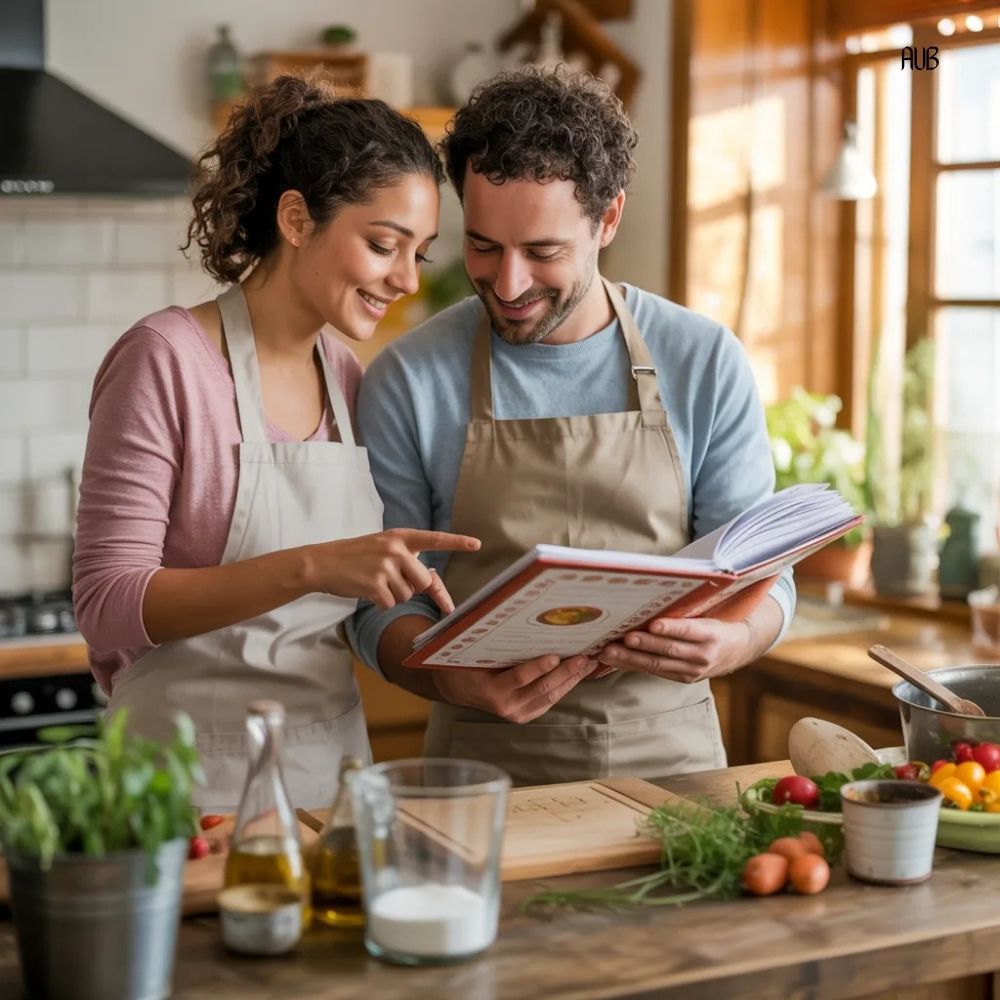
Step 8: Leave Space for Growth
A recipe binder becomes meaningful over time. Leave blank pages at the end of each section. As new meals become favorites, add them intentionally.
If you start hosting friends regularly, expand the hosting section. If children enter the picture, create a kid-friendly section later. The binder evolves with your life.
Step 9: Revisit and Edit Annually
Once per year, flip through the binder together. Remove recipes you no longer cook. Update notes. Add new favorites.
This annual review prevents stagnation. It also creates a small ritual of reflection. Looking back at meals from earlier years often sparks memory and appreciation.
How This Becomes a Tradition
Over time, the binder accumulates history. Handwritten modifications remain visible. Stains mark heavily used pages. Dates show when a recipe entered rotation.
If you continue updating it for years, the binder becomes a record of growth. It can eventually be passed down or replicated for children. Traditions rarely begin as grand gestures. They begin as repeated habits. The binder becomes tradition because it is used consistently.
Why This System Reduces Weeknight Stress
Beyond sentiment, the binder serves a practical function. When dinner planning feels overwhelming, you open to the Weeknight Dinners tab and choose from a short list of proven options.
You no longer scroll endlessly through saved links. You no longer debate what sounds good. The binder contains only meals you already enjoy. Decision fatigue decreases immediately.
Long-Term Impact
A DIY couples recipe binder does three important things:
- It preserves meals that matter.
- It simplifies dinner decisions.
- It creates a tangible record of shared life.
Over months and years, it becomes more than a kitchen tool. It becomes a quiet symbol of partnership and routine. Meals are one of the most repeated shared experiences in any relationship.
When those meals are organized intentionally, they shift from daily necessity to documented tradition. And tradition, built gradually and without pressure, strengthens connection in ways that feel natural rather than forced.
A recipe binder does not need to be elaborate to become meaningful. It needs to be used. And when used consistently, it grows into something much larger than its pages.