Cooking at home can be deeply rewarding, but it can also feel overwhelming at times. Between busy schedules, fatigue, and the pressure to prepare meals that are both enjoyable and nutritious, it is easy for kitchen tasks to feel like a burden rather than a pleasure.
Fortunately, there are simple cooking strategies that can reduce effort, improve results, and make time in the kitchen more efficient and enjoyable.
These are not gourmet secrets reserved for professional chefs, nor are they complicated techniques that require special equipment or rare ingredients. Rather, they are practical habits and small technical insights that significantly enhance everyday cooking.
The tips below apply to all levels of home cooks and focus on clarity, ease, and outcome. Whether you are preparing meals for one, cooking for a family, or sharing dinner with friends, mastering these basic ideas can create more confidence in the kitchen and better results on the plate.
1. Start With Good Ingredient Organization
Before you turn on the stove or heat the oven, take a moment to organize your ingredients. This simple preparation step, often referred to in professional kitchens as mise en place (everything in its place), makes the entire cooking process smoother.
Begin by taking out all the ingredients you will need for the recipe. Set them out on the counter in the order you will use them.
Measure spices, chop vegetables, and prepare protein before you begin cooking. When you are ready to start, everything is within reach, and you can move through the recipe without interruptions.
This method eliminates the stress of having to locate ingredients mid-process. It guards against accidental forgetting of key components and helps keep your attention on technique rather than logistics. For many home cooks, this one adjustment reduces mistakes and increases enjoyment.

2. Use Sharp Knives for Safety and Efficiency
It may feel counterintuitive, but using a sharp knife is actually safer than working with a dull one. Sharp blades require less force, which reduces slipping and uncontrolled movement. They also create cleaner cuts that affect how ingredients cook and combine in a dish.
A sharp knife makes chopping, dicing, and slicing faster and more precise. It also preserves the texture of produce and protein, which contributes to better cooking results.
If you do not regularly sharpen your knives, consider using a sharpening stone or sending them to a professional periodically. Maintaining sharp blades is a small investment that pays dividends in ease, speed, and confidence in the kitchen.
3. Learn to Control Heat Properly
Heat control is one of the most valuable skills in cooking, yet it is often overlooked by home cooks. Many dishes are overcooked or undercooked simply because the temperature was too high or inconsistent.
Understanding how heat affects food can improve texture and flavor. For example, lower heat is appropriate for softening onions slowly until they become sweet and translucent, while higher heat is necessary for searing meat to develop a flavorful crust.
When sautéing, adjust the burner so that the pan remains hot but not smoking. If oil begins to darken too quickly, lower the heat. When baking, preheat the oven fully before placing dishes inside so cooking begins promptly and evenly.
4. Taste as You Go
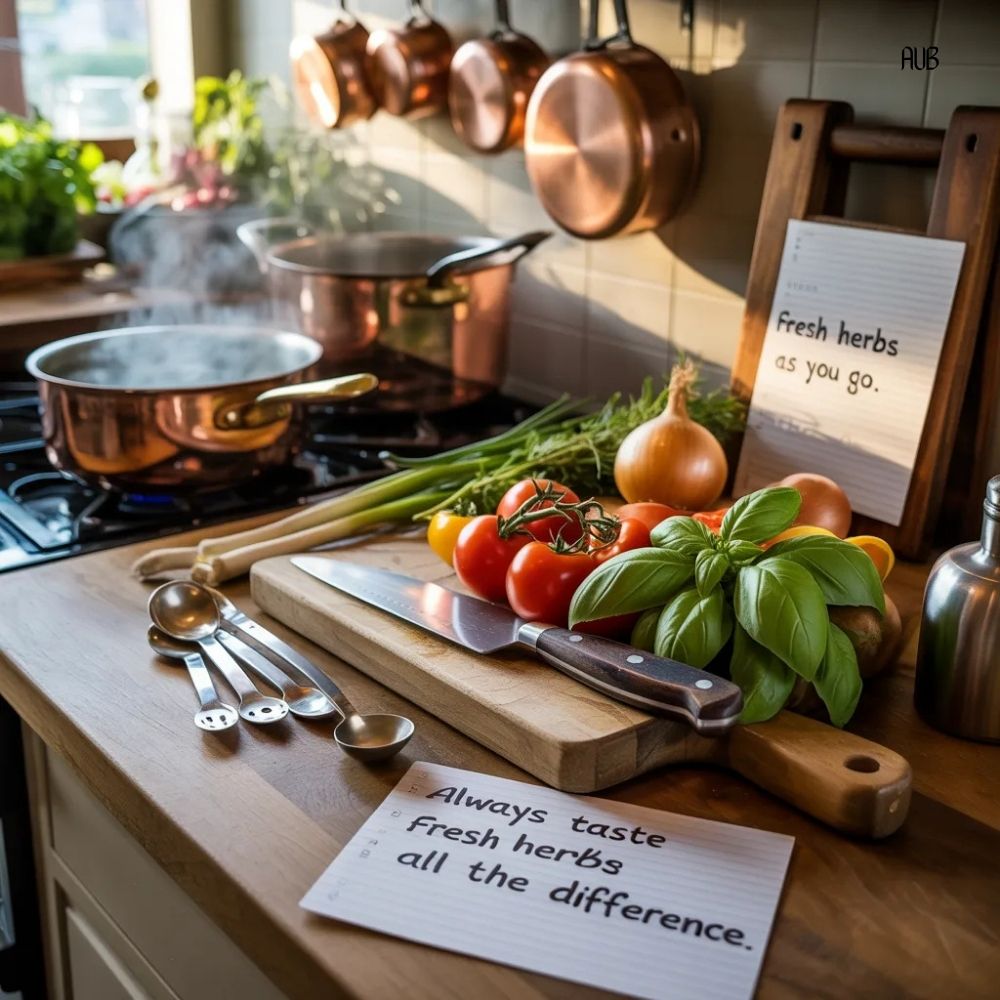
One of the most important habits experienced cooks use is tasting throughout the cooking process rather than waiting until the end. Seasoning in layers builds deeper and more balanced flavor.
When you taste as you go, you can identify whether a dish needs acidity, salt, sweetness, or bitterness and correct the course gradually. This is especially true for soups, sauces, stews, and seasoned grains.
Avoid adding too much salt or seasoning at once. Begin with small amounts and incrementally adjust. This approach prevents overcorrection and helps you learn how ingredients evolve as they cook.
5. Respect Rest Time for Proteins
Many home cooks overlook resting time after cooking meat or poultry. When protein is removed directly from heat and immediately cut, the juices inside tend to run out quickly, leaving the meat drier than desired.
Resting allows the juices to redistribute within the protein, resulting in a more tender and flavorful bite. For smaller cuts such as chicken breasts or pork chops, resting for five to ten minutes is often sufficient. Larger roasts may benefit from longer rest times.
Resting does not add complexity or extra steps; it simply shifts timing to allow better texture.
6. Use the Right Salt at the Right Stage
Salt is one of the simplest seasonings, yet its impact is profound. Different types of salt have different crystal sizes and flavor intensity. Understanding when and how to use salt improves flavor without overwhelming a dish.
Add a portion of salt at the start of cooking when ingredients are cold. This allows the salt to dissolve and enhance the natural flavors as the food cooks. Taste again near the end and adjust if needed.
When seasoning vegetables, sprinkle salt before roasting or sautéing so it penetrates and seasons from the inside out. Learning to use salt intentionally elevates flavor more efficiently than using sauces or condiments to mask underseasoning.
7. Keep a Clean and Tidy Workspace
Maintaining a relatively organized work surface as you cook not only reduces stress but also improves safety and efficiency. As you chop, cook, or measure, place scraps into a small bowl or compost container rather than letting them accumulate on the counter. When tools are not in use, return them to their designated place.
At the end of cooking, clearing surfaces and washing used tools prevents buildup and speeds cleanup. When your kitchen feels orderly, each step of cooking feels less mentally taxing.
A tidy space also helps you keep track of what you have done and what remains, which increases confidence and reduces error.
8. Plan Leftovers for Future Meals
Cooking more than you need is not wasteful if managed intentionally. Leftovers can be the foundation of another meal if planned with purpose.
For example, roasted vegetables from dinner can become part of a salad the next day. Grains such as rice or quinoa can be repurposed in stir-fries or bowls. Cooked proteins can become additions to wraps, soups, or casseroles.
Store leftovers in clear, labeled containers in the refrigerator, and decide within a day or two how you will use them. This approach reduces food waste, stretches your grocery budget, and simplifies meal preparation later in the week. Planning for leftover use prevents pressure and increases efficiency.
9. Trust Your Senses to Know When Food Is Done
Cooking times in recipes are helpful, but every stove, oven, and pan behaves slightly differently. Rather than relying solely on numbers, train your senses to judge doneness. Look at texture, listen for sizzle changes, and use smell as a guide.
For example, fish is done when it flakes easily with a fork. Vegetables should be tender but not mushy. A sauce that has reduced properly will coat the back of a spoon rather than run off it quickly. With experience, relying on visual and tactile cues becomes more accurate than following times alone.
Making These Tips Part of Everyday Cooking
These nine strategies do not require special ingredients or advanced techniques. They are based on understanding how food behaves and how small adjustments improve the cooking experience and the final dish.
You do not need to master all of them at once. Pick one or two to focus on for a week and notice how those changes affect the flow of your meals.
Over time, these practices become habits. Your time in the kitchen will feel more predictable, more enjoyable, and more efficient. Meals will taste better because they are grounded in intention rather than last-minute improvisation.
Cooking at home should feel like a source of nourishment rather than a source of pressure. Applying simple, consistent techniques expands your confidence and makes everyday meals both easier and more satisfying.
When you approach cooking as a set of habits rather than a sequence of tasks, it becomes less of a chore and more of a routine.