Most couples value appreciation. They recognize each other’s effort. They notice small acts of patience, consistency, and support. The challenge is not awareness. It is visibility.
Appreciation often lives in passing comments or internal thoughts. It surfaces occasionally during conflict resolution or anniversaries, but rarely in a structured, repeatable way. Over time, everyday effort becomes assumed rather than acknowledged. That shift is subtle, but it changes the emotional tone of a relationship.
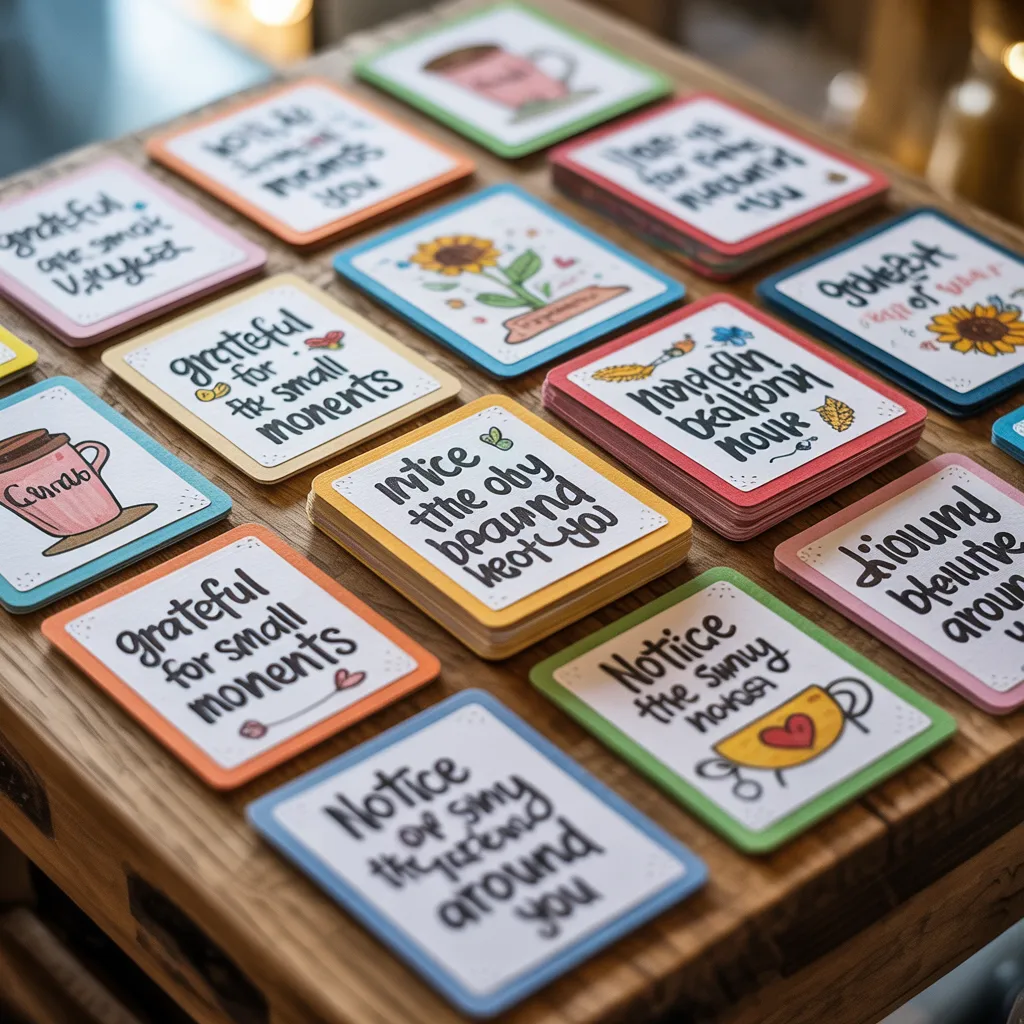
A card deck of everyday appreciation creates a simple system that makes gratitude visible throughout the year. When designed intentionally, it does not feel sentimental or forced. It feels grounded, specific, and sustainable.
The goal is not grand declarations. The goal is steady reinforcement. This article will walk through how to build an appreciation card deck that feels authentic, practical, and lasting.
Why Appreciation Fades Without Structure
In long-term relationships, daily routines become efficient. Tasks are divided. Responsibilities are handled. Stability forms. While this stability is valuable, it also reduces novelty. When novelty decreases, explicit acknowledgment often decreases as well. Appreciation does not disappear. It becomes internal.
Without visible expression, small efforts can begin to feel unnoticed. That perception can quietly influence mood and tone.
A structured appreciation system prevents this drift. It does not replace spontaneous gratitude. It supports it. Structure makes positive reinforcement repeatable.
Step One: Define the Purpose of the Deck
Before writing a single card, decide what the deck is meant to do. It should:
- Highlight everyday effort
- Reinforce partnership
- Encourage reflection
- Create brief moments of connection
It should not:
- Replace serious conversations
- Become a tool for conflict repair
- Turn into a performance
The purpose is steady acknowledgment, not emotional intensity. Clarity of purpose prevents misuse.
Step Two: Choose a Physical Format That Feels Durable
The deck can be simple. Index cards, thick cardstock, or small printed cards work well. Store them in a small box or band them together with a clip.
Durability matters. These cards should be handled repeatedly over the course of a year. Consider dividing the deck into categories using colored cards or subtle labeling. Categories might include:
- Effort
- Character
- Growth
- Support
- Humor
- Daily reliability
Categories prevent repetition and keep appreciation specific.
Step Three: Focus on Specific, Observable Behaviors
Generic praise loses impact quickly. Instead of writing “You’re amazing,” write something grounded and concrete. For example:
- “I appreciate how you handled the grocery run even though you were tired.”
- “I noticed how patient you were during that stressful call.”
- “Thank you for always checking the calendar before scheduling things.”
Specificity reinforces attentiveness. When appreciation references real behavior, it feels earned rather than automatic.
Step Four: Write More Cards Than You Think You Need
If the goal is year-long sustainability, aim for at least 40 to 60 cards initially. This allows you to draw one per week without immediate repetition.
You can expand the deck gradually throughout the year by adding new cards as moments arise. The deck becomes a living system rather than a one-time project.
Step Five: Establish a Consistent Rhythm
The appreciation deck should not appear randomly or only during difficult weeks. Choose a predictable rhythm, such as:
- One card every Sunday evening
- One card at the beginning of each month
- One card placed on a pillow once per week
Consistency builds expectation without pressure. When appreciation appears regularly, it becomes normalized rather than surprising.
Step Six: Pair It With a Brief Conversation
After one partner reads a card aloud or hands it over, allow space for brief response. This does not need to become a long discussion. A simple “Thank you” or shared reflection is enough.
The goal is acknowledgment, not analysis. Over time, this short ritual reinforces connection without demanding emotional intensity.

Step Seven: Avoid Turning It Into Obligation
If both partners contribute cards, agree on expectations clearly. Some couples prefer each partner to write half the deck. Others prefer one person to initiate and the other to respond naturally.
What matters is that the system feels voluntary. If the deck begins to feel like homework, adjust the rhythm. Sustainability requires flexibility.
Step Eight: Refresh the Deck Annually
At the end of the year, review the cards together. Some may feel repetitive or outdated. Remove or revise them. Add new ones reflecting recent growth or life changes.
This review transforms the deck from a static gift into an evolving tradition. Reflection reinforces awareness.
Why This System Works Long Term
Appreciation influences emotional climate gradually. It does not need to be dramatic to be effective. When positive acknowledgment becomes visible weekly or monthly, it builds reinforcement.
Effort feels seen. Habits feel valued. Small contributions feel meaningful. The deck prevents appreciation from being reserved only for anniversaries or conflict repair. It spreads recognition across ordinary days.
Long-Term Impact
Over time, a card deck of everyday appreciation becomes more than a stack of notes. It becomes evidence. In busy seasons, flipping through older cards can remind both partners of resilience and progress.
The system does not eliminate conflict or stress. It balances them with visible affirmation. When appreciation is structured, it does not rely on mood. It becomes part of rhythm.
And rhythm, when steady and intentional, strengthens connection in ways that feel sustainable rather than dramatic.
A well-designed appreciation deck does not overwhelm with sentiment. It reinforces partnership quietly and consistently. Over the course of a year, that quiet consistency becomes powerful.