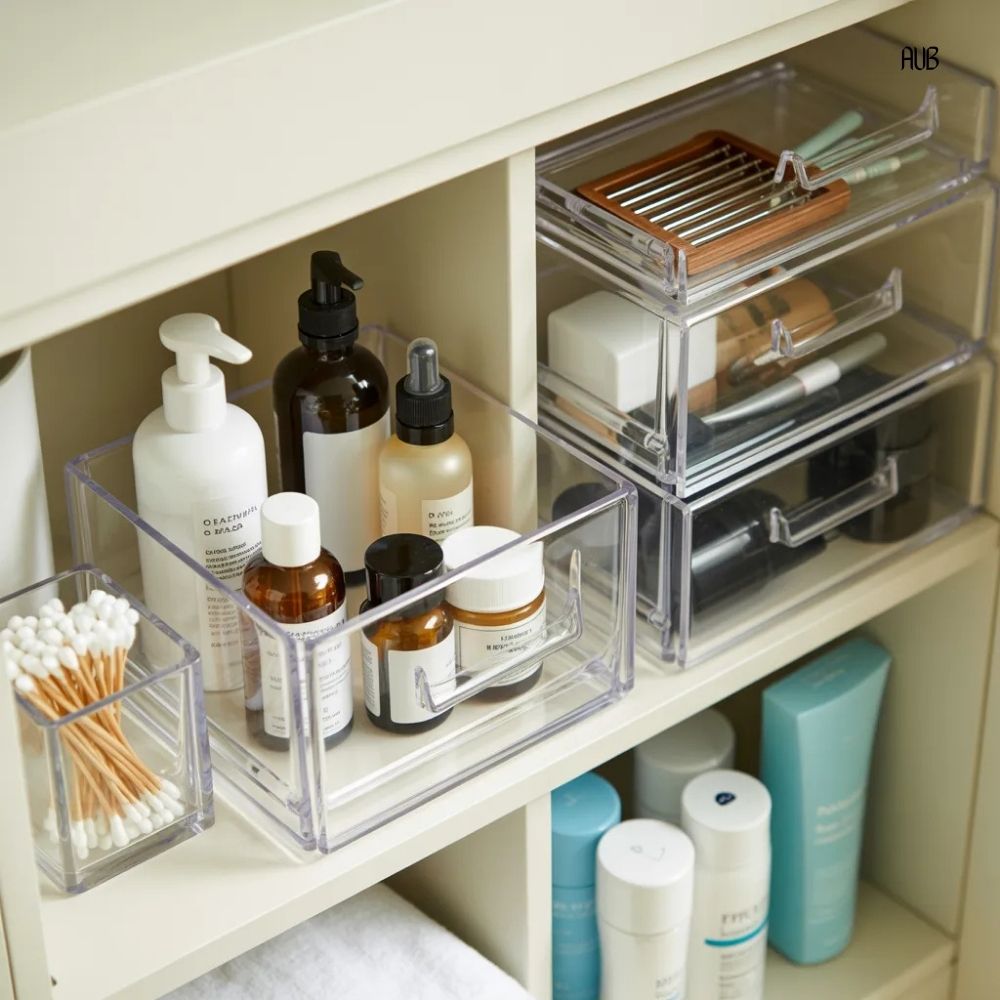
Bathrooms become overcrowded gradually. No single item causes the problem. It builds through accumulation. A new skincare product joins an already full shelf. Extra shampoo bottles stack behind current ones. Travel-size items linger long after trips end. Towels shift from folded to piled. Counter space shrinks quietly. In shared households, […]
Family Care
A Simple Entryway Setup That Stops Daily Misplaced-Item Stress
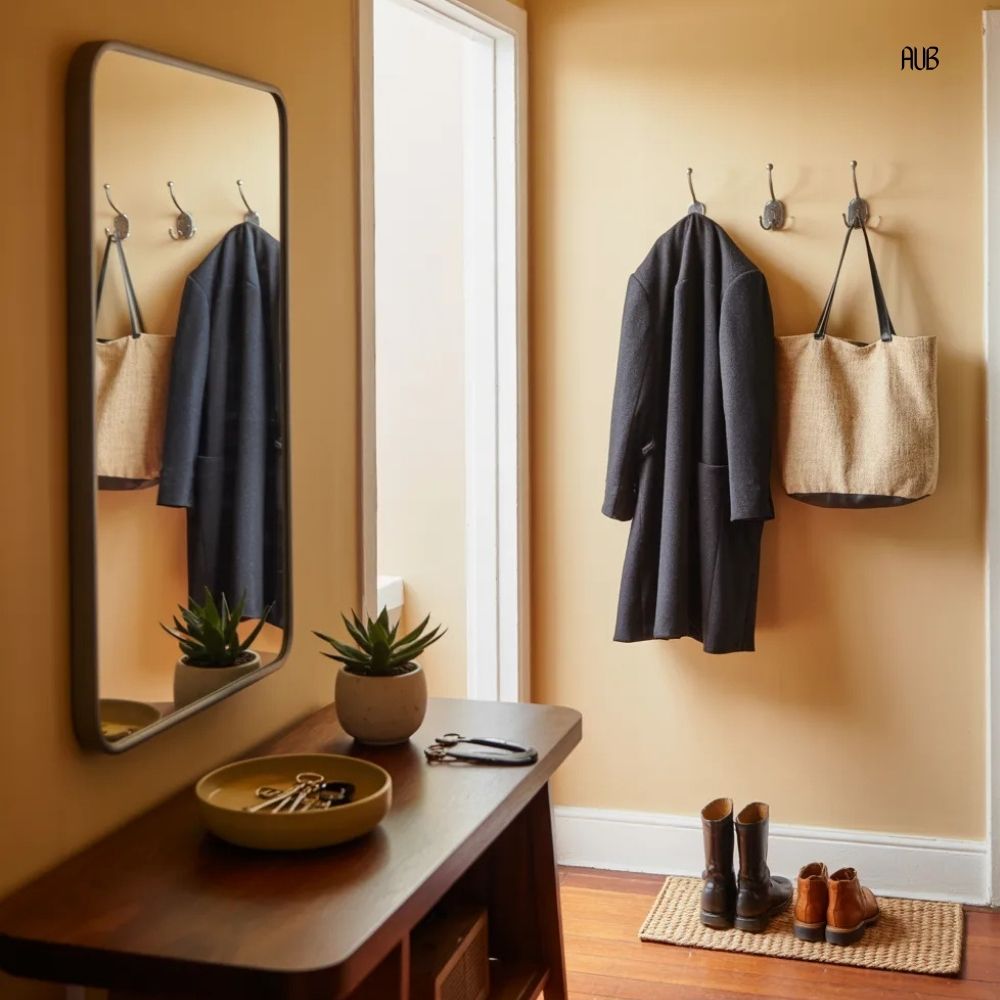
Few household frustrations feel as repetitive as searching for essentials on the way out the door. Keys disappear between couch cushions. Sunglasses migrate from kitchen counters to bedroom nightstands. Mail piles up in unpredictable places. One partner leaves early and assumes the other moved something. The day begins with mild […]
How to Set Personal Spending Limits Without Feeling Restricted

Personal spending limits often sound restrictive before they are even implemented. The phrase itself can trigger resistance because it implies control, deprivation, or constant monitoring. In shared households especially, spending limits can feel like scrutiny rather than support. Yet the absence of limits creates a different kind of pressure. When […]
The “No Logistics” Dinner Rule That Changes the Tone of Evenings

Evenings often begin with good intentions. You sit down to dinner hoping for a moment to slow down, reconnect, and decompress after a full day. Yet within minutes, the conversation shifts toward logistics. Who is picking up the dry cleaning tomorrow?Did you confirm the appointment?What time is that meeting?We need […]
How to Build a Fun “Sunday Reset Kit” That Makes Weekends Feel Productive
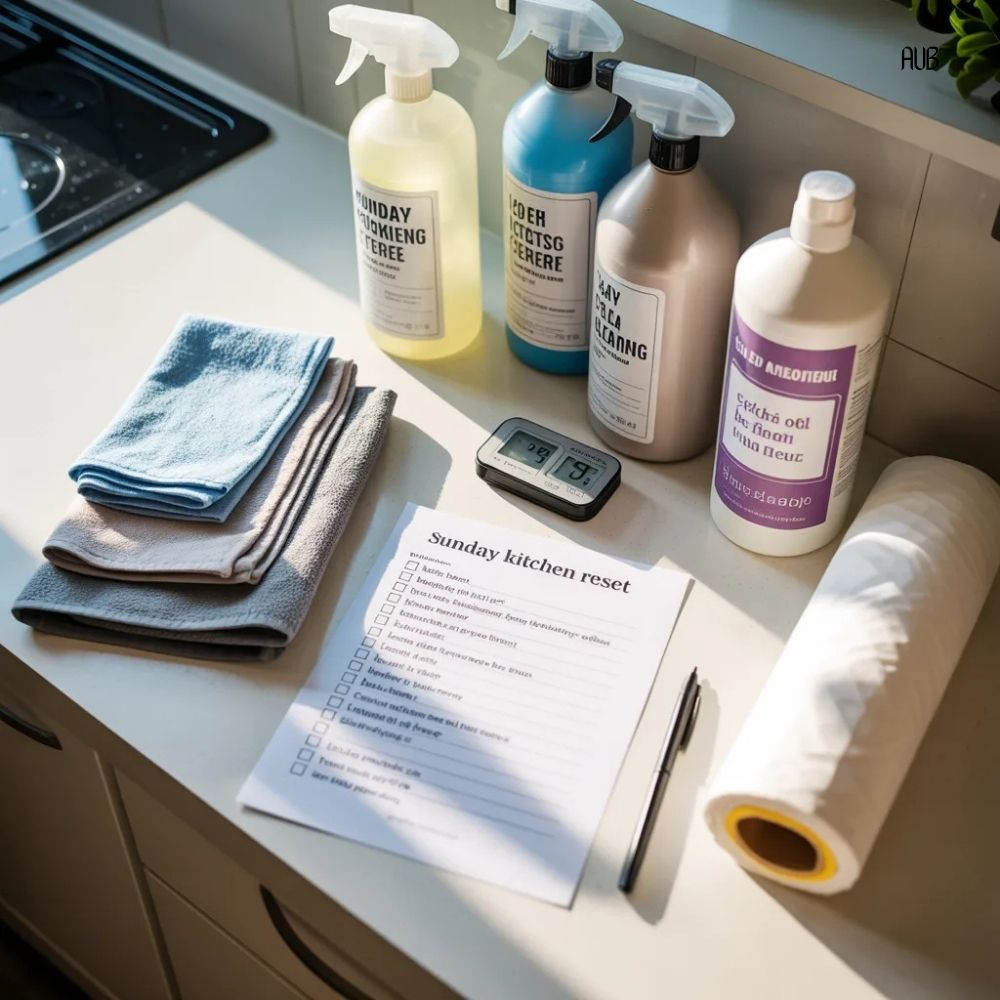
For many couples, Sunday carries a subtle tension. The day begins slowly, often with good intentions, but by late afternoon a familiar pressure appears. Laundry may still be unfinished. Groceries might not be planned. Emails linger. The house feels slightly unsettled. Instead of ending the weekend feeling restored, many people […]
How to Create a Card Deck of Everyday Appreciation That Lasts All Year
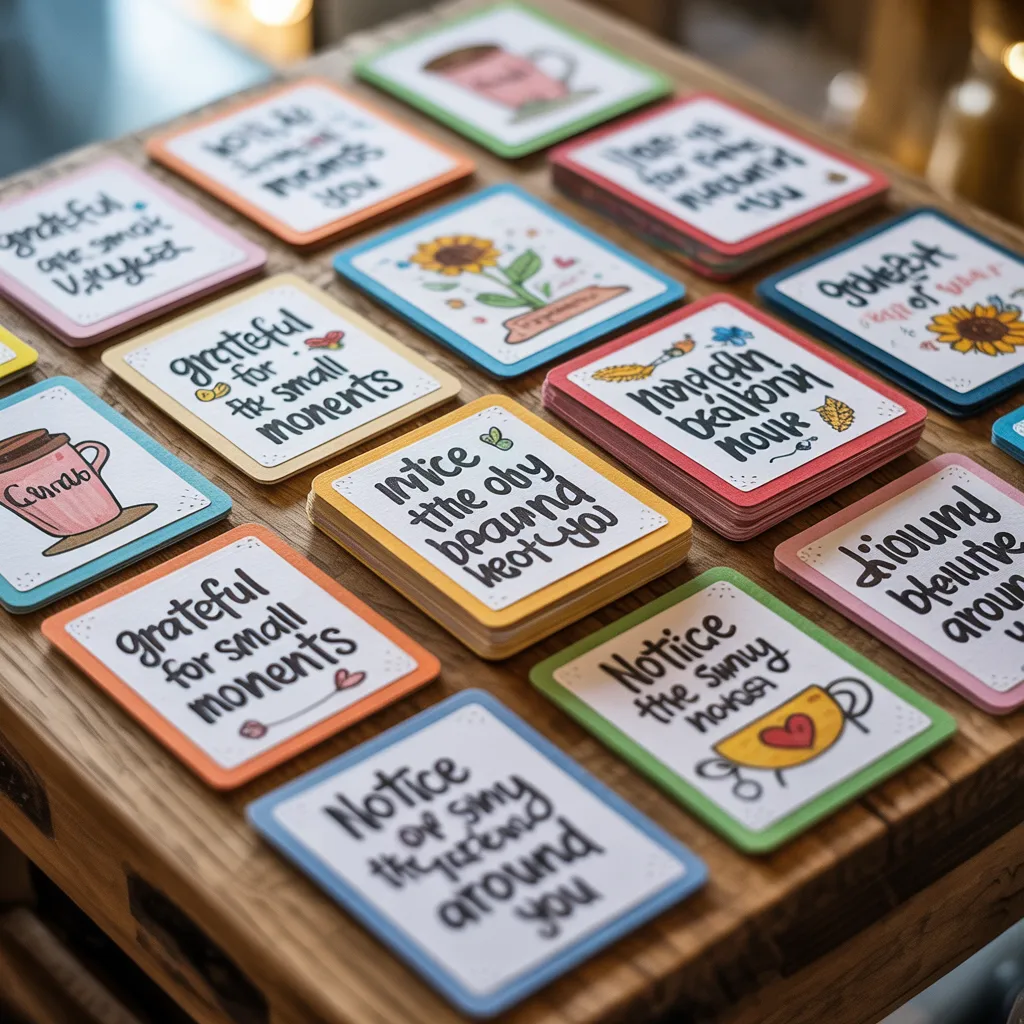
Most couples value appreciation. They recognize each other’s effort. They notice small acts of patience, consistency, and support. The challenge is not awareness. It is visibility. Appreciation often lives in passing comments or internal thoughts. It surfaces occasionally during conflict resolution or anniversaries, but rarely in a structured, repeatable way. […]