Friday nights carry emotional weight. They mark the end of work demands, the close of deadlines, and the transition into rest. Yet for many couples, Friday evenings default to one of two patterns.
Either takeout becomes automatic, or both partners feel too tired to cook something intentional. Over time, this pattern flattens the end of the week. Fridays feel no different from Tuesdays.
Creating a Friday night date meal does not require expensive ingredients or restaurant reservations. What it requires is structure. When a predictable rhythm exists, you remove the pressure to invent something new every week while still preserving a sense of occasion.
The goal is not elaborate cooking. It is atmosphere, repetition, and small upgrades that signal, “This is different from the rest of the week.”
Below is a simple framework followed by several meal concepts that feel elevated without increasing your grocery budget.
The Framework: Why Structure Matters More Than Complexity
Before discussing specific meals, it helps to define what makes a Friday dinner feel like a date rather than a routine meal. Three elements change the tone:
- A predictable rhythm
- A minor environmental shift
- A slightly elevated version of familiar food
When these elements combine, the experience feels intentional without becoming labor-intensive.
You do not need candlelight every week. You do not need multiple courses. You do not need new recipes constantly. You need consistency.
For example, you might establish a simple rule: Friday dinner happens at the table, not on the couch. Phones stay off the table. Music plays softly in the background. Even if the food is simple, the context changes. The environment carries much of the experience.
1. Elevated Pasta Night With Minimal Ingredients
Pasta is affordable, flexible, and quick. The difference between weekday pasta and Friday pasta lies in refinement. Instead of heavy sauces, focus on simple, high-quality combinations.
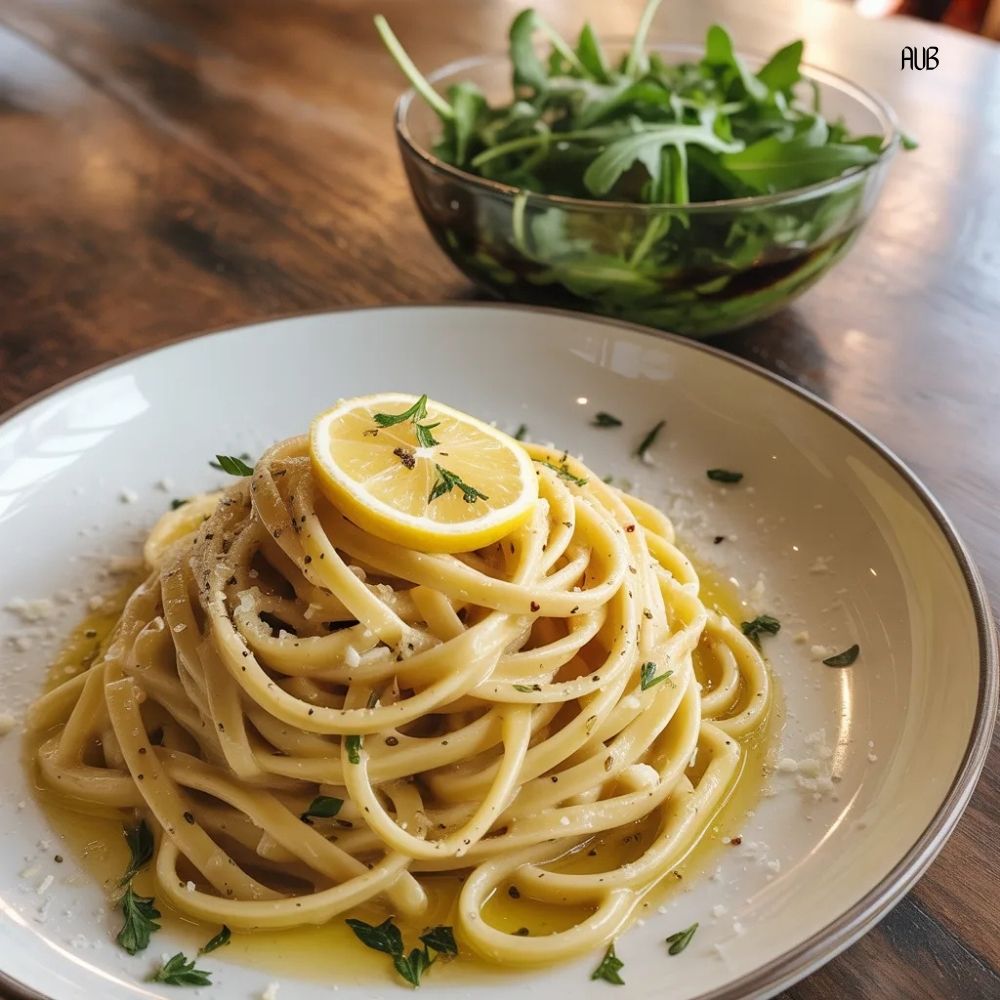
One example is a lemon garlic pasta. Cook spaghetti or linguine. In a separate pan, sauté sliced garlic in olive oil, add red pepper flakes, then toss with fresh lemon zest, lemon juice, salt, and freshly grated parmesan. Finish with chopped parsley.
Pair it with a simple arugula salad dressed in olive oil and balsamic vinegar. This meal uses inexpensive staples but feels restaurant-quality due to its brightness and balance.
To elevate the experience further, plate the pasta individually instead of serving it directly from the pot. Add cloth napkins instead of paper towels. The effort difference is minimal. The atmosphere shift is noticeable.
2. Build-Your-Own Flatbread Night
Flatbreads or naan are inexpensive and versatile. Lay out simple toppings such as:
- Tomato sauce or pesto
- Shredded mozzarella
- Sliced vegetables
- Cooked chicken or sausage
- Fresh basil
Each partner builds their own combination. Bake for ten minutes until crisp. The interactive element changes the tone. Instead of one person cooking while the other waits, you prepare together.
Serve with a side salad and sparkling water or a simple homemade mocktail. Participation increases engagement. Engagement increases connection.
3. Rotating Theme Dinners Using Pantry Staples
Choose one theme per month and repeat it weekly for four Fridays. This removes decision fatigue while preserving variety. Examples:
- Mediterranean Month
- Mexican-Inspired Month
- Italian Comfort Month
- Asian-Inspired Month
Within that theme, rotate simple meals that share overlapping ingredients.
For a Mediterranean theme, you might alternate:
- Chicken gyros with yogurt sauce
- Greek-style bowls with rice, cucumber, tomatoes, and feta
- Lemon herb chicken with roasted potatoes
- Hummus platters with pita and grilled vegetables
By repeating a theme, grocery shopping becomes efficient, and ingredients are fully used. The repetition feels intentional rather than monotonous because it is framed as a series. Structure reduces stress while maintaining novelty.

4. Steakhouse-Style Dinner Without Restaurant Prices
A steakhouse experience can be recreated affordably by focusing on presentation and sides rather than expensive cuts.
Choose a moderately priced cut such as sirloin instead of premium ribeye. Season simply with salt and pepper. Sear in a hot pan with butter and garlic.
Serve with roasted potatoes and sautéed green beans or asparagus. Plate everything carefully. Add a simple dessert such as chocolate squares or berries with whipped cream.
Lower lighting slightly. Play quiet instrumental music. The total cost remains controlled, but the experience feels composed. Atmosphere contributes as much as the main dish.

5. Breakfast-for-Dinner With Intention
Breakfast foods are affordable and comforting. Instead of rushing through scrambled eggs, create a composed breakfast dinner.
Make fluffy pancakes or waffles, add fresh fruit, and prepare crispy bacon or breakfast sausage. Brew good coffee or prepare a simple smoothie.
Set the table intentionally. Pour juice into proper glasses rather than drinking from cartons. Breakfast-for-dinner works because it disrupts routine. It feels playful without requiring expensive ingredients.
Enhancing Atmosphere Without Spending More
The meal matters, but small environmental details matter equally.
- Keep lighting warm rather than bright overhead.
- Play consistent Friday music so the sound itself signals transition.
- Use plates rather than takeout containers.
- Sit facing each other rather than side-by-side with a screen.
These adjustments cost nothing but change perception. Consistency transforms a habit into a ritual.
Keeping the Budget Stable
To prevent Friday nights from expanding into expensive routines, set a weekly dinner budget and stick to it. Choose meals that overlap ingredients so leftovers can be used on weekends. Avoid buying specialty items that will expire unused.
If you occasionally choose takeout, treat it as one of the rotating themes rather than an addition. Intentional budgeting ensures that Friday dinners feel sustainable rather than indulgent.
The Long-Term Effect
When Friday night becomes predictably intentional, something shifts psychologically. Over time, that rhythm strengthens connection because it signals reliability.
The meals themselves do not need to be extraordinary. What matters is that they are chosen deliberately.
When structure replaces improvisation, Friday night stops feeling like a collapse into exhaustion and starts feeling like a transition into something shared.
And that transition, repeated weekly, is what turns an ordinary dinner into something that feels quietly special.