The question itself seems harmless. “What should we eat tonight?” Yet in many homes, that question lands at the most fragile moment of the day. Work has drained energy. Hunger has lowered patience. The refrigerator feels unhelpful.
Both partners want something satisfying, but neither wants to lead the decision. What follows is often negotiation, scrolling through delivery apps, or defaulting to the same fallback meal again.
This cycle does not happen because couples lack cooking skills. It happens because dinner is approached as an open-ended decision instead of a structured system.
Open-ended decisions require creativity, evaluation, and consensus. At 6:30 p.m., most people do not have extra cognitive capacity for that process. The solution is not more recipes. It is a repeatable framework.
The 3-Part Weeknight Dinner Formula replaces improvisation with structure. It limits choices intentionally while preserving variety. When used consistently, it shortens dinner discussions, simplifies grocery shopping, and turns weeknights into something steadier and less reactive.
Why Dinner Decisions Feel Heavier Than They Should
By the end of the day, your brain has made hundreds of micro-decisions. What to prioritize at work. How to respond to messages. What to wear. When to leave. What to address first. Cognitive fatigue accumulates quietly. Dinner then arrives as another decision cluster:
- Do we have ingredients?
- Will this take too long?
- Is it healthy enough?
- Do we both feel like eating that?
- Who is cooking?
Even small disagreements can feel amplified because energy is low. Without structure, dinner becomes a negotiation. Negotiation creates friction. Friction drains energy further. A formula removes negotiation by narrowing the decision tree.
The Core Structure: Protein + Base + Fresh Component
The 3-Part Formula is intentionally simple:
- One protein
- One base
- One fresh or vibrant element
Every weeknight dinner fits into this structure. This formula works because it balances substance, stability, and brightness. It satisfies hunger without requiring complexity. It also adapts easily across cuisines and budgets. Let’s break down each component in depth.
Part One: The Protein Anchors the Meal
Protein provides the primary sense of fullness and structure. It answers the core hunger need first.
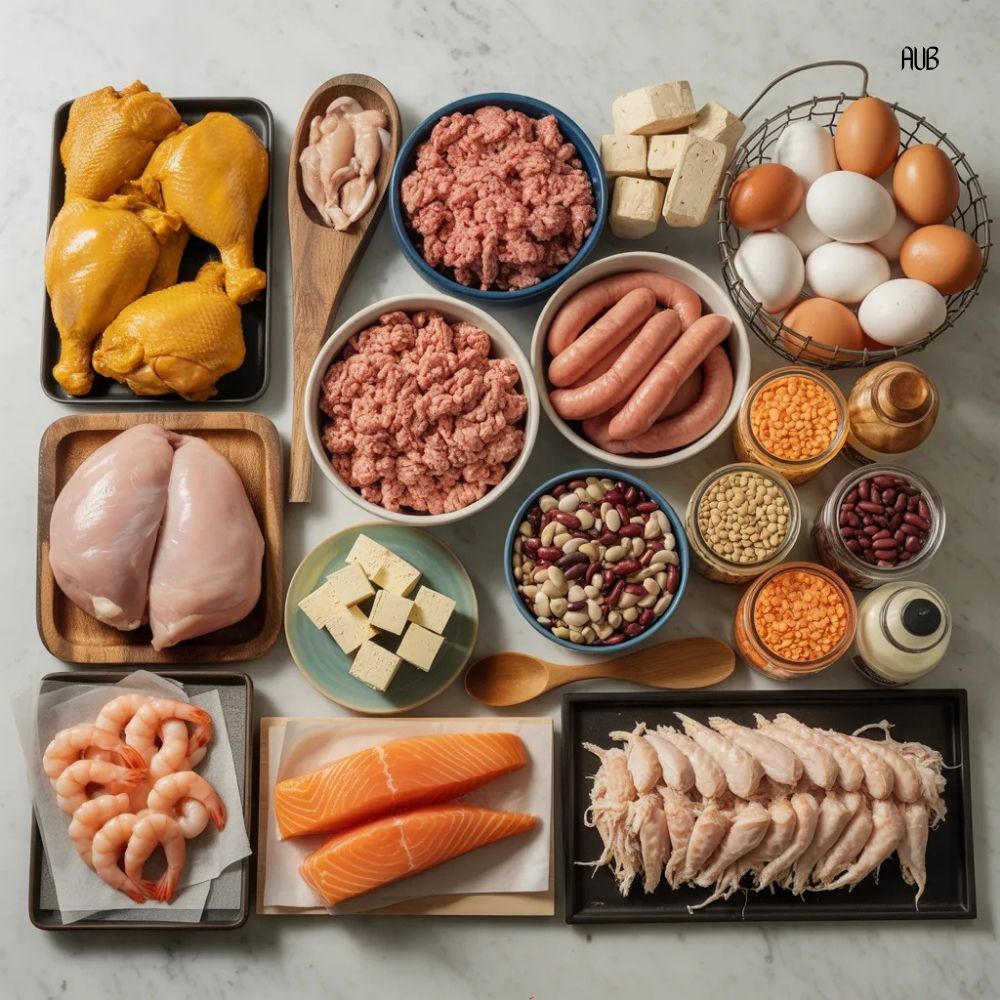
Examples include:
- Chicken thighs or breasts
- Ground turkey or beef
- Sausage
- Eggs
- Tofu
- Lentils
- Beans
- Shrimp
- Salmon
- Rotisserie chicken
The key to making this formula sustainable is limiting variety each week.
Choose two proteins for the week. If you prefer, include one plant-based option as a third rotation. Resist the urge to buy five different proteins. Limiting options reduces waste and simplifies preparation.
For example, one week might focus on chicken and ground turkey. Another week might rotate shrimp and lentils. Preparation methods do not need to change dramatically. Roasting, sautéing, grilling, or baking are enough. Consistency in cooking method reduces cognitive load even further.
Part Two: The Base Creates Stability
The base supports the protein and gives shape to the plate. It often carries flavor and adds comfort. Common bases include:
- Rice
- Brown rice
- Quinoa
- Pasta
- Couscous
- Potatoes
- Sweet potatoes
- Tortillas
- Flatbread
- Large leafy greens for bowls
Instead of cooking a new base every night, prepare a larger batch early in the week. A pot of rice can serve three different dinners with different seasonings. Roasted potatoes can accompany chicken one night and sausage another.
When the base is prepped in advance, dinner assembly becomes much faster. The base reduces effort by providing consistency.
Part Three: The Fresh Element Prevents Monotony
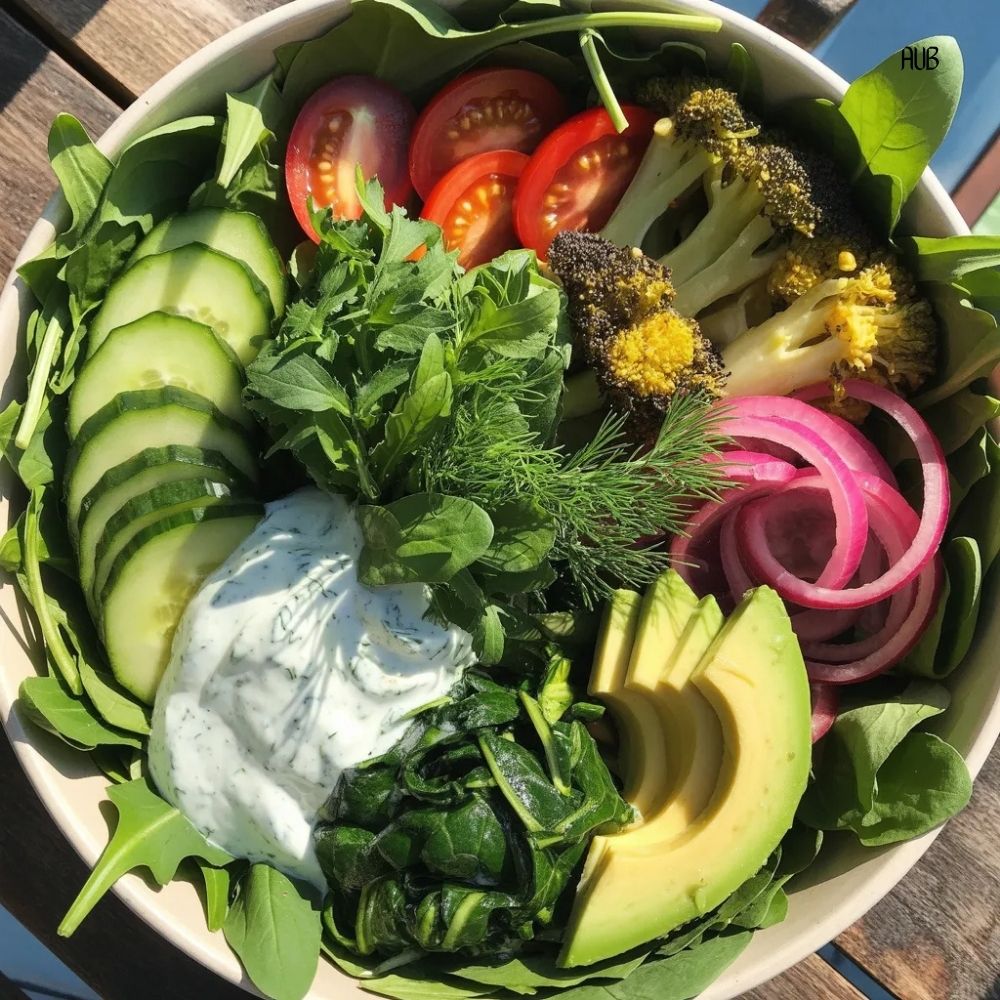
Without a fresh component, meals can feel heavy or repetitive. This third part introduces brightness, crunch, or contrast. Examples include:
- A simple arugula salad with lemon
- Sliced cucumbers and tomatoes
- Roasted broccoli or zucchini
- Pickled onions
- Fresh herbs
- A yogurt-based sauce
- Salsa or chopped avocado
- Sautéed spinach
The fresh element is often the fastest part to prepare. It may take five minutes but dramatically shifts how the meal feels.
It also helps prevent the sense that you are eating “the same thing” repeatedly, even when proteins and bases overlap.
How the Formula Looks in Practice
To illustrate how flexible this system is, consider the following week:
Monday
Roasted chicken thighs + rice + cucumber tomato salad
Tuesday
Ground turkey sautéed with garlic + quinoa + roasted zucchini
Wednesday
Leftover chicken shredded + tortillas + salsa and avocado
Thursday
Turkey meatballs + pasta + arugula salad
Each meal follows the same three-part structure, yet none feel identical. The system supports variety within limits.
How to Plan a Week Using the Formula
Start planning backward from the structure rather than forward from recipes. First, choose two proteins. Second, choose one or two bases that can stretch across meals. Third, choose two vegetables or fresh components that can be prepared in multiple ways.
For example:
- Proteins: chicken thighs and ground turkey
- Base: rice and pasta
- Fresh components: zucchini and mixed greens
From there, assemble combinations for three or four dinners. Because ingredients overlap intentionally, grocery lists shrink. Waste decreases. The refrigerator stays more organized.

Dividing Roles When Cooking Together
This formula works especially well for couples because it divides naturally into components. One partner handles the protein. The other manages the base and fresh component.
Responsibilities are clear without discussion every night. Clear division reduces overlap in the kitchen and shortens prep time. Because the structure remains consistent, coordination improves over time.
Reducing Grocery Stress Through Repetition
When you adopt this formula for several weeks, grocery shopping changes noticeably. Instead of wandering through aisles deciding what sounds appealing, you shop according to structure:
- Two proteins.
- One or two bases.
- Two vegetables.
The list becomes predictable. Time in the store shortens. Impulse purchases decrease. Because ingredients overlap intentionally, leftovers are used more efficiently. Financial efficiency improves quietly.
Long-Term Sustainability
The strength of the 3-Part Dinner Formula lies in its simplicity. It does not demand elaborate cooking skills. It does not require expensive ingredients. It does not eliminate flexibility. It provides boundaries.
Boundaries reduce chaos. Chaos reduction lowers stress. Weeknight dinners will never disappear as a responsibility. However, they do not need to drain energy daily.
When you replace improvisation with structure, dinner becomes predictable without becoming boring. And predictability, especially in busy seasons, is often what makes home life feel lighter.
The 3-Part Formula does not change what you eat dramatically. It changes how you decide. That difference is what prevents the nightly “What should we eat?” spiral from happening in the first place.